Why Hip Arthritis Hurts So Much — And What You Can Do About It!

Hip Pain From Arthritis — Understanding the Pain That Slows You Down
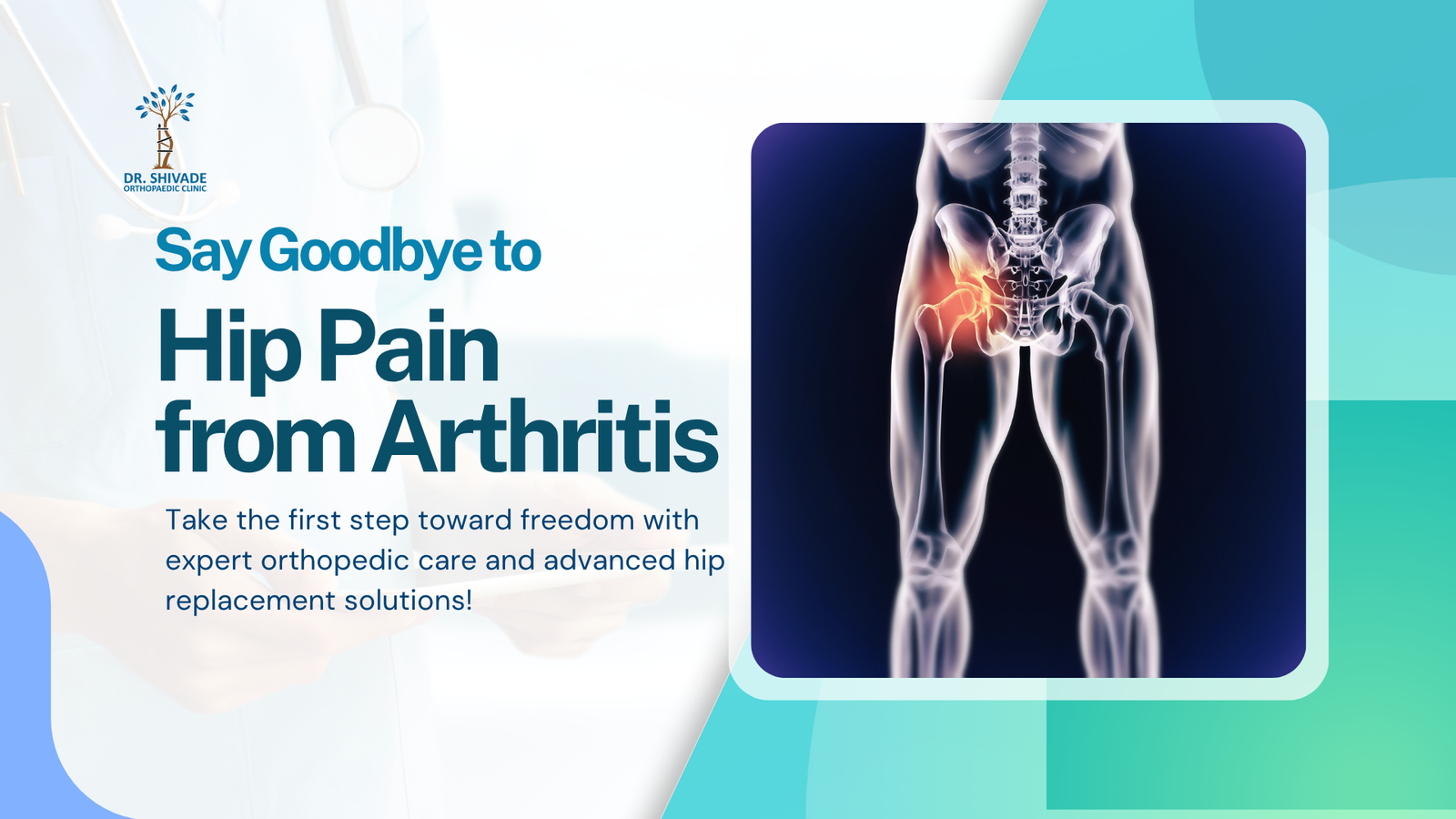
Did you know that hip arthritis is one of the most common reasons people struggle with daily movements like walking, standing up, climbing stairs, or even resting comfortably?
When the smooth cartilage in the hip joint starts wearing out, the bones begin rubbing against each other. This leads to pain, stiffness, swelling, and eventually severe mobility issues. But the good news?
✔️ With the right care, most people can control the pain and stay active.
What Exactly Causes Hip Arthritis?
Hip arthritis usually develops when the cartilage covering your joint slowly breaks down due to:
Age-related wear and tear (Osteoarthritis)
Previous injuries or fractures
Inflammation in the joints (Rheumatoid arthritis)
Genetics or weight-related pressure on the hip
As the joint continues to wear out, the pain becomes more frequent and intense.
Early Signs You Shouldn’t Ignore
If you experience any of these, your hip may be developing arthritis:
Morning stiffness that lasts more than 20–30 minutes
Pain while walking, sitting, or sleeping
Difficulty bending or rotating the leg
A grinding or clicking sound in the hip
Reduced flexibility or limping
Early detection can help delay progression and reduce long-term damage.
Why Does Hip Arthritis Hurt So Much?
Because the hip is a weight-bearing joint, it carries your body’s load throughout the day. When cartilage reduces, every step creates friction — causing:
Inflammation
Swelling
Sharp or dull aching pain
Restricted movement
Muscle weakness around the hip
How to Manage Hip Arthritis Pain
Here are effective, doctor-recommended ways to manage and reduce the pain:
1. Stay Active (But Smart)
Low-impact exercises like walking, swimming, and cycling help keep the joint flexible.
2. Maintain a Healthy Weight
Less weight = less pressure on the joint.
3. Physiotherapy Works Wonders
Strengthening the surrounding muscles reduces pain and improves support.
4. Medication for Pain Relief
Anti-inflammatory medicines may help — but only under medical supervision.
5. Heat & Cold Therapy
Warm compresses relax muscles; cold packs reduce swelling.
6. Advanced Treatment Options
If pain becomes severe, doctors may suggest injections or hip replacement surgery, which can restore mobility and eliminate chronic pain.
Final Thoughts
Hip arthritis may be common, but suffering doesn’t have to be. With timely diagnosis and the right treatment plan, you can stay active, pain-free, and enjoy a better quality of life.