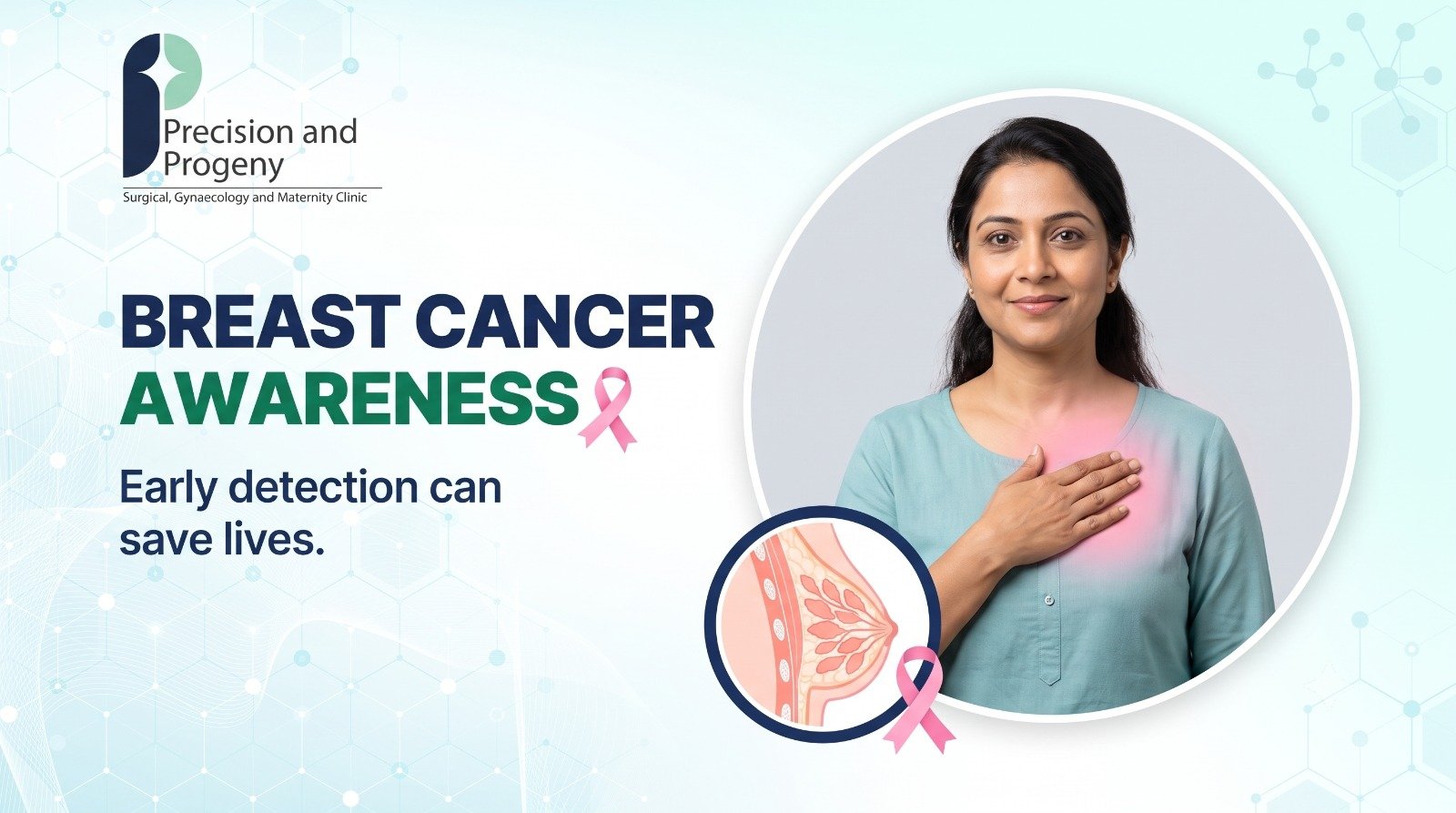
Breast Cancer Awareness: Know the Signs, Understand the Risks & Prioritize Early Detection

Breast cancer is one of the most common cancers affecting women worldwide. While hearing the word “cancer” can be frightening, increased awareness, regular screening, and early medical consultation have made it possible to detect many cases at an early stage, when treatment is often more effective.
Every October, Breast Cancer Awareness Month serves as an important reminder for women to understand their breast health, recognize early warning signs, and seek medical advice without delay if they notice any unusual changes.
Being aware of your body and paying attention to changes is one of the simplest yet most important steps you can take for your health.
What is Breast Cancer?
Breast cancer occurs when abnormal cells in the breast begin to grow uncontrollably and form a tumor. These abnormal cells may develop in different parts of the breast, including the milk ducts or breast tissue.
Not every breast lump or breast change is cancer. Many breast conditions are non-cancerous. However, any new or unusual change should always be evaluated by a qualified healthcare professional.
Early diagnosis allows timely treatment and improves overall outcomes.
Why is Breast Cancer Awareness Important?
Many women ignore breast-related symptoms because they assume the changes are temporary or not serious. Lack of awareness often delays diagnosis.
Breast cancer awareness encourages women to:
- Recognize early warning signs
- Understand their personal risk factors
- Follow age-appropriate screening recommendations
- Seek medical advice without unnecessary delay
- Make informed decisions about their breast health
Early detection provides better treatment options and can significantly improve treatment success.
Common Signs and Symptoms of Breast Cancer
Women should consult a doctor if they notice any persistent or unusual breast changes, including:
- A lump or thickening in the breast or underarm
- Change in breast size or shape
- Unusual nipple discharge (especially if bloody)
- Inverted nipple or change in nipple position
- Redness, swelling, dimpling, or thickening of breast skin
- Persistent breast pain or discomfort in one area
- Swelling around the collarbone or underarm
These symptoms do not always indicate breast cancer, but they should never be ignored.
Who is at Higher Risk of Breast Cancer?
Although breast cancer can affect women of any age, certain factors increase the risk.
These include:
- Increasing age
- Family history of breast or ovarian cancer
- BRCA1 or BRCA2 gene mutations
- Previous history of breast disease
- Hormonal factors
- Obesity
- Lack of physical activity
- Alcohol consumption
- Smoking
Having one or more risk factors does not necessarily mean a woman will develop breast cancer, but it highlights the importance of regular screening.
Importance of Early Detection
One of the most effective ways to improve breast cancer outcomes is through early detection.
Many early-stage breast cancers do not cause pain or obvious symptoms. Regular screening can identify abnormal changes before they become noticeable.
Women should not wait until symptoms appear before discussing breast health with their healthcare provider.
Breast Cancer Screening Methods
1. Breast Self-Awareness
Every woman should become familiar with the normal look and feel of her breasts.
Knowing what is normal makes it easier to notice any unusual changes and seek medical advice promptly.
2. Clinical Breast Examination
A trained healthcare professional performs a physical examination to identify any abnormal findings and determine whether additional tests are needed.
3. Mammography
A mammogram is a specialized X-ray of the breast that helps detect abnormalities, including very small changes that may not be felt during an examination.
Depending on age and individual risk factors, your doctor may recommend regular mammography screening.
How Can Women Reduce Their Risk?
Although breast cancer cannot always be prevented, adopting a healthy lifestyle may help reduce certain risk factors and support overall well-being.
Healthy habits include:
- Maintaining a healthy body weight
- Exercising regularly
- Eating a balanced, nutritious diet
- Avoiding tobacco
- Limiting alcohol consumption
- Attending regular health check-ups
- Discussing family medical history with your doctor
- Following recommended screening schedules
Healthy lifestyle choices contribute to better overall health and early disease detection.
When Should You Consult a Gynecologist?
Women should seek medical advice if they notice:
- A new breast lump
- Persistent breast pain
- Changes in breast size or shape
- Nipple discharge
- Skin changes over the breast
- A family history of breast or ovarian cancer
- Any unusual breast concern that persists
A gynecologist can evaluate your symptoms, recommend appropriate investigations, and guide you toward the next steps if additional care is required.
Early consultation is always better than waiting for symptoms to worsen.
Prioritize Your Breast Health
Breast Cancer Awareness Month reminds us that breast health deserves attention throughout the year—not just in October.
Regular health check-ups, awareness of warning signs, and timely medical consultation can make a significant difference in early diagnosis and treatment outcomes.
Taking care of your breast health today can help protect your future.
Get expert care with faster recovery.
Frequently Asked Questions (FAQs)
Get answers to the questions patients ask most often and learn more about symptoms, diagnosis, treatment, recovery, and ways to maintain better health.
Early signs may include a breast lump, underarm swelling, changes in breast shape or size, nipple discharge, skin dimpling, nipple inversion, or persistent breast discomfort. Any unusual change should be evaluated by a healthcare professional.
Yes. Breast cancer can often be detected at an early stage through breast awareness, regular clinical examinations, and recommended screening tests such as mammography. Early detection improves treatment outcomes.
The appropriate age depends on your individual risk factors, family history, and medical advice. Women should discuss their screening schedule with their healthcare provider to determine the most suitable approach.
Women with a family history of breast or ovarian cancer, BRCA1 or BRCA2 gene mutations, increasing age, obesity, hormonal factors, or previous breast conditions may have a higher risk and should follow personalized screening recommendations.
A gynecologist can evaluate breast-related symptoms, recommend appropriate examinations or imaging tests, and refer you to a breast specialist if necessary. Seeking medical advice early is important whenever you notice unusual breast changes.