PCOS is Now Being Called PMOS?

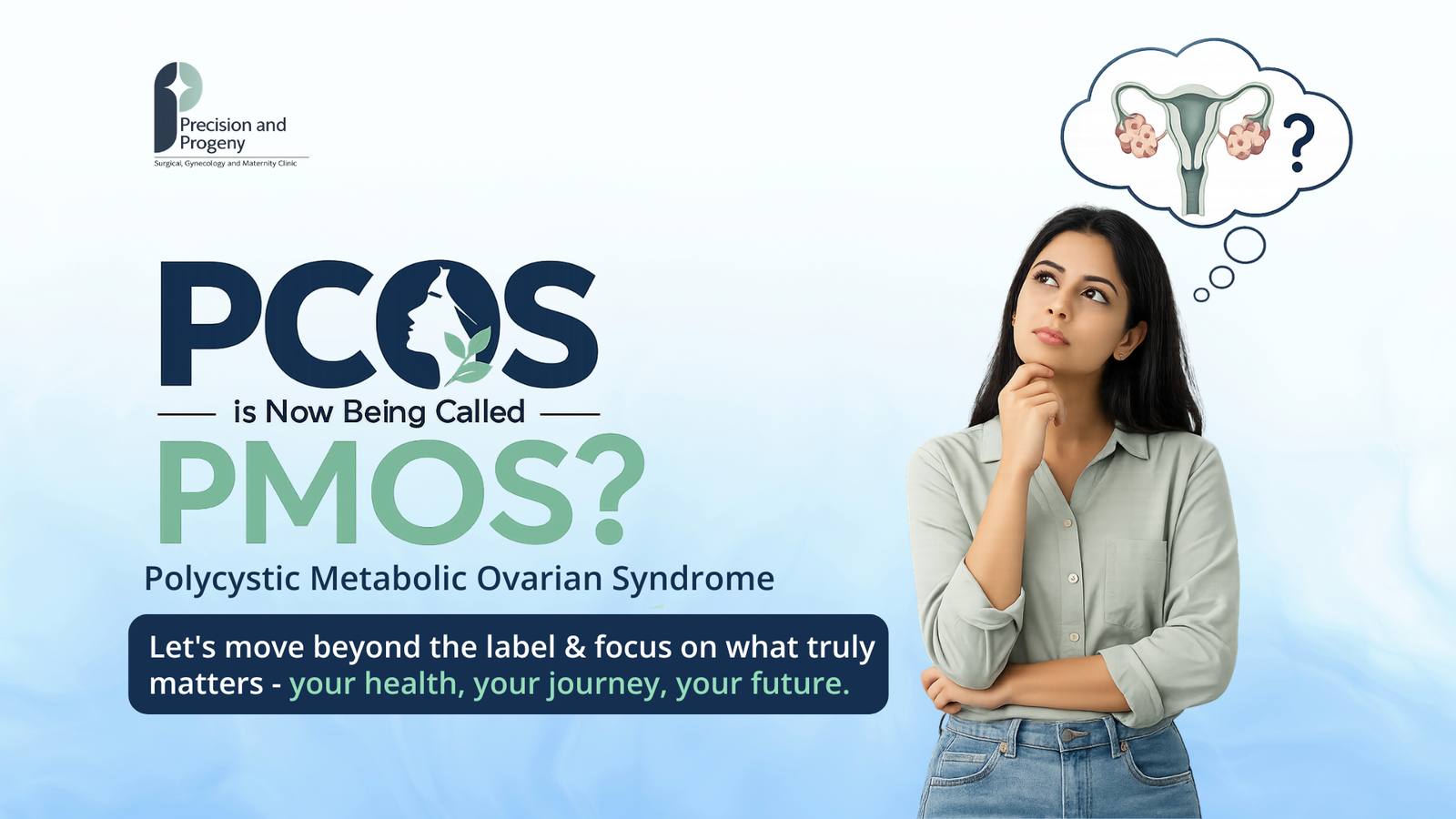
PCOS is Now Being Called PMOS? Understanding the Proposed Name Change and What It Means for Women
Hormonal health conditions affecting women have gained significant attention in recent years, and one condition that continues to impact millions of women worldwide is PCOS. Recently, discussions have emerged about changing the name Polycystic Ovary Syndrome (PCOS) to Polymetabolic Ovary Syndrome (PMOS).
But why is this change being considered, and what does it mean for women?
Let’s understand this in simple terms.
What Is PCOS?
Polycystic Ovary Syndrome (PCOS) is a common hormonal disorder that affects women of reproductive age. It can cause a variety of symptoms, including:
Irregular or missed periods
Weight gain
Excess facial or body hair
Acne and oily skin
Hair thinning or hair loss
Difficulty getting pregnant
Insulin resistance
Increased risk of diabetes
Despite its name, not every woman with PCOS has ovarian cysts. In fact, many women diagnosed with PCOS do not have cysts at all.
Why Is the Name “PCOS” Being Questioned?
The term “Polycystic Ovary Syndrome” focuses mainly on the ovaries and the presence of multiple cysts. However, medical experts believe this name does not fully describe the condition.
PCOS affects much more than the ovaries. It is closely linked to:
Metabolic disorders
Insulin resistance
Obesity
Type 2 diabetes
High cholesterol
Heart disease risk
Mental health concerns such as anxiety and depression
Because of these broader health effects, many researchers feel the current name can be misleading.
What Does PMOS Mean?
PMOS (Polymetabolic Ovary Syndrome) is a proposed name that highlights the metabolic aspects of the condition.
Breaking It Down:
Poly = Multiple
- Metabolic = related to regulation of blood sugar levels, energy consumption by various cell of the body, maintaining hormonal milieu, balancing co-ordination between various systems in the body
Ovary Syndrome = A condition involving ovarian function
The new term aims to reflect that this condition is not only about ovarian cysts but also about metabolic health.
Why Experts Support the Name Change
1. It Better Reflects the Condition
The biggest reason is accuracy.
Many women are confused when they learn they have PCOS but no ovarian cysts. The proposed name PMOS helps emphasize that the condition involves hormonal and metabolic imbalances rather than simply cysts on the ovaries.
2. Encourages Earlier Diagnosis
Women experiencing symptoms such as weight gain, insulin resistance, or irregular periods may seek medical attention sooner if the condition is understood as a metabolic disorder.
3. Improves Patient Awareness
The new name may help women understand the long-term health risks associated with the condition, including diabetes and cardiovascular disease.
4. Supports Comprehensive Treatment
A name that highlights metabolic health encourages Doctors or health professionals to focus on overall wellness rather than only reproductive symptoms.
Is PCOS Officially Renamed to PMOS?
No.
At present, PCOS remains the officially recognized medical term worldwide. PMOS is still a proposed alternative being discussed among researchers and healthcare professionals.
Medical organizations and experts continue to debate whether a new name would improve understanding and diagnosis of the condition.
For now, doctors, hospitals, and diagnostic centers still use the term PCOS.
Common Symptoms of PCOS
Women with PCOS may experience:
✅ Irregular menstrual cycles
✅ Excessive facial or body hair growth
✅ Weight gain or difficulty losing weight
✅ Acne and oily skin
✅ Hair thinning
✅ Dark patches on the skin (especially around the neck and underarms)
✅ Difficulty conceiving
✅ Mood changes, anxiety, or depression
Symptoms can vary from person to person.
How Is PCOS Diagnosed?
Doctors usually diagnose PCOS based on:
Medical history
Physical examination
Blood tests to evaluate hormone levels
Ultrasound examination of the ovaries
A diagnosis does not always require the presence of ovarian cysts.
Managing PCOS Effectively
Although there is no permanent cure, PCOS can be managed successfully through lifestyle changes and medical treatment.
Healthy Diet
Eat balanced meals rich in protein and fiber
Reduce processed foods and excess sugar
Choose whole grains and healthy fats
Regular Exercise
Aim for at least 30 minutes of physical activity most days
Exercise helps improve insulin sensitivity and weight management
Weight Management
Even modest weight loss can improve symptoms and hormone balance.
Medical Treatment
Doctors may recommend:
Hormonal medications
Insulin-sensitizing medicines
Fertility treatments if pregnancy is desired
When Should You See a Doctor?
Consult a healthcare professional if you experience:
Irregular or absent periods
Sudden weight gain
Excessive hair growth
Persistent acne
Difficulty becoming pregnant
Early diagnosis can help prevent complications and improve long-term health outcomes.
Final Thoughts
The discussion around changing PCOS to PMOS reflects a growing understanding of how complex this condition truly is. While PCOS affects reproductive health, it also has significant effects on metabolism, blood sugar control, weight, and overall well-being.
Although PMOS is not yet an official medical diagnosis, the conversation highlights the importance of looking beyond ovarian cysts and recognizing the broader health impact of this condition.
Understanding the full picture can help women seek timely diagnosis, adopt healthier lifestyle habits, and receive more comprehensive care.
Remember: Whether it is called PCOS or PMOS, early awareness and proper management are key to maintaining long-term health and quality of life. 💜
Get expert care with faster recovery.
People Also Ask
Get answers to the questions patients ask most often and learn more about symptoms, diagnosis, treatment, recovery, and ways to maintain better health.
No. PCOS (Polycystic Ovary Syndrome) remains the officially recognized medical term used by healthcare providers worldwide. PMOS (Polymetabolic Ovary Syndrome) is a proposed name that some experts believe better reflects the condition's metabolic and hormonal nature, but it has not been officially adopted.
Many specialists feel that the name PCOS is misleading because not all women with the condition have ovarian cysts. The proposed name PMOS emphasizes that the condition also involves insulin resistance, metabolic dysfunction, hormonal imbalance, and an increased risk of diabetes and heart disease, not just ovarian changes.
No. Many women diagnosed with PCOS do not have ovarian cysts. Diagnosis is based on a combination of symptoms, hormone levels, and other clinical findings, rather than the presence of cysts alone.
There is currently no permanent cure for PCOS, but it can be effectively managed through a healthy lifestyle, regular exercise, weight management, and medications when needed. Early diagnosis and treatment can help reduce symptoms and lower the risk of long-term complications.
Yes. Women with PCOS have a higher risk of insulin resistance, type 2 diabetes, high cholesterol, high blood pressure, and cardiovascular disease. Regular health check-ups, maintaining a balanced diet, staying physically active, and following your doctor's advice are important for long-term health.